

Of all the animals in the Australian bush, none are quite as paradoxical as the Platypus. They are iconic, yet notoriously elusive. Famous, yet frantically shy. For many wildlife enthusiasts, seeing a wild Platypus is the ultimate prize - a testament to patience, stealth, and being in the right place at the right time.
While they are notoriously difficult to find, they aren't impossible. You just need to know the "tell".
It's All in the Bubbles
If you are staring at a riverbank waiting for a brown shape to surface, you might be waiting a long time. The trick is to look for the bubbles.
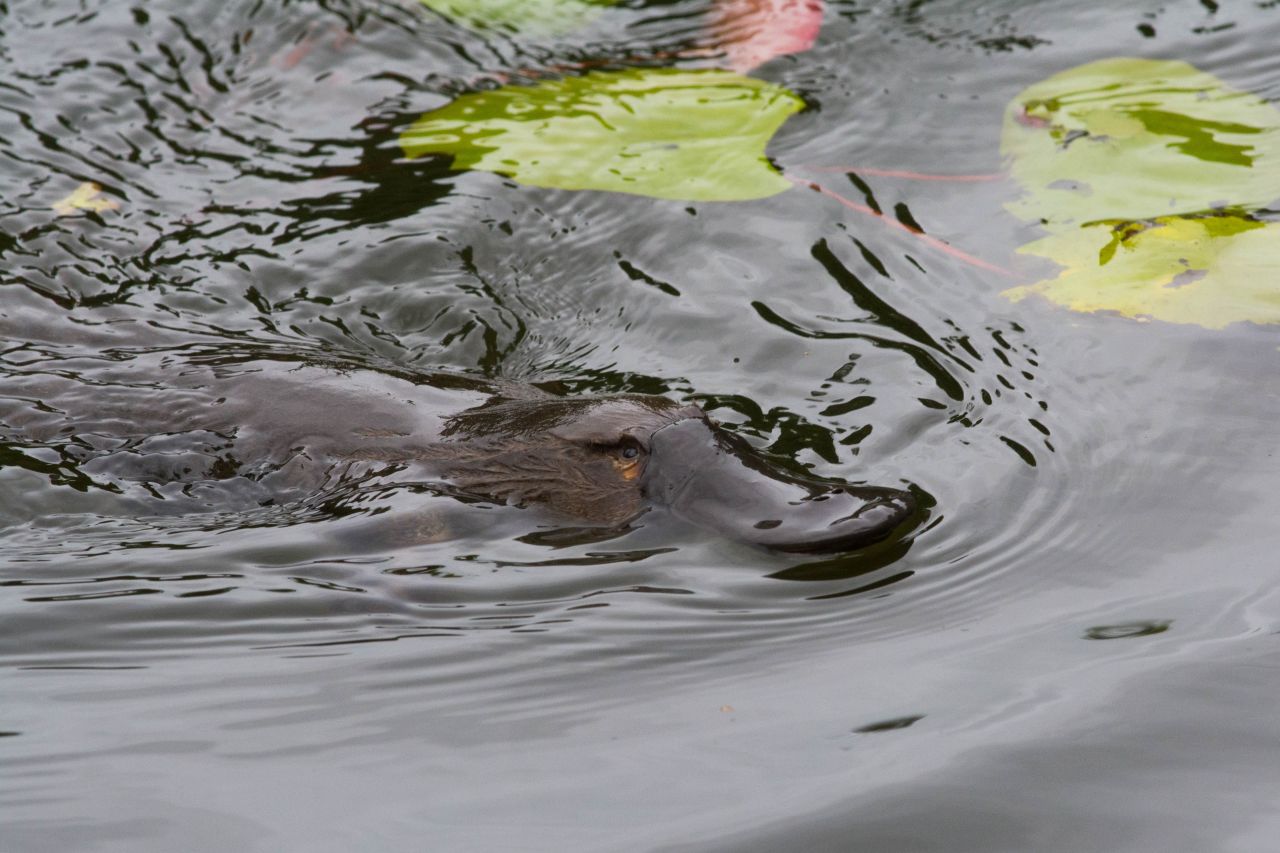
When a Platypus dives to forage, it releases air trapped in its thick, waterproof fur and from its webbed feet. These aren't bubbles from its lungs; they are a byproduct of its insulation. This creates a specific, circular bubble trail on the water's surface.
Be warned: fish can play mind games with you. They often create similar circles that can trick even the most experienced eye. But once you learn to distinguish the frantic splash of a fish from the rolling boil of a foraging Platypus, your success rate skyrockets.
Silence is Golden
Platypus spotting requires a level of zen-like patience. Their senses are extraordinary, but peculiar.
When they are out of the water, their hearing is acute. A snapped twig or a heavy footstep on the bank can send them into hiding instantly. However, once they dive underwater, they are effectively deaf and blind. Folds of skin cover their eyes and ears, and their nostrils seal shut.
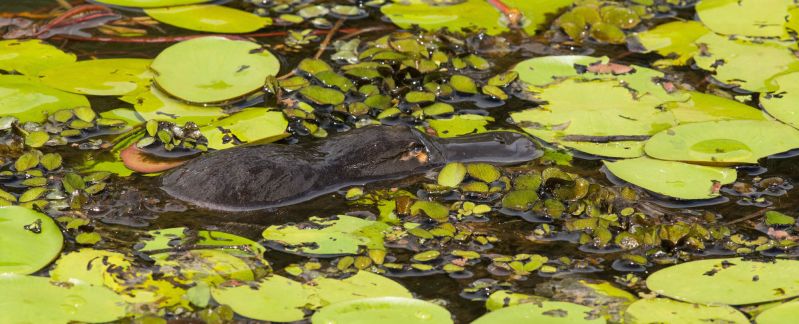
To navigate the dark riverbeds, they rely entirely on electroreceptors in their bill, which detect the faint electrical fields caused by the muscle contractions of their prey (yabbies, worms, and larvae). They also sense changes in water pressure.
This creates a unique challenge for the observer. While they can't hear you when they are underwater, they are often resting on the surface between dives, listening intently. If you are chatting or moving while they are submerged, they might surface, hear you, and vanish before you even spot them. The golden rule? Remain as quiet as possible, at all times.
Where to Find Them
You can try your luck alone, scanning the reeds and logs along riverbanks, but for the best chance of success, going with a local guide is unbeatable. Here are the top regions and operators for your best chance of an encounter:
1. Atherton Tablelands, Queensland
The rivers near Yungaburra are a hotspot. Join FNQ Nature Tours on their Atherton Tablelands Nature and Wildlife Tour to explore this lush region.
2. Mt Field National Park, Tasmania
The pristine waters of Mt Field National Park are famous for sightings. Premier Travel Tasmania offers a 4 Day Wildlife Encounter that explores this wildlife region.
3. East Gippsland, Victoria
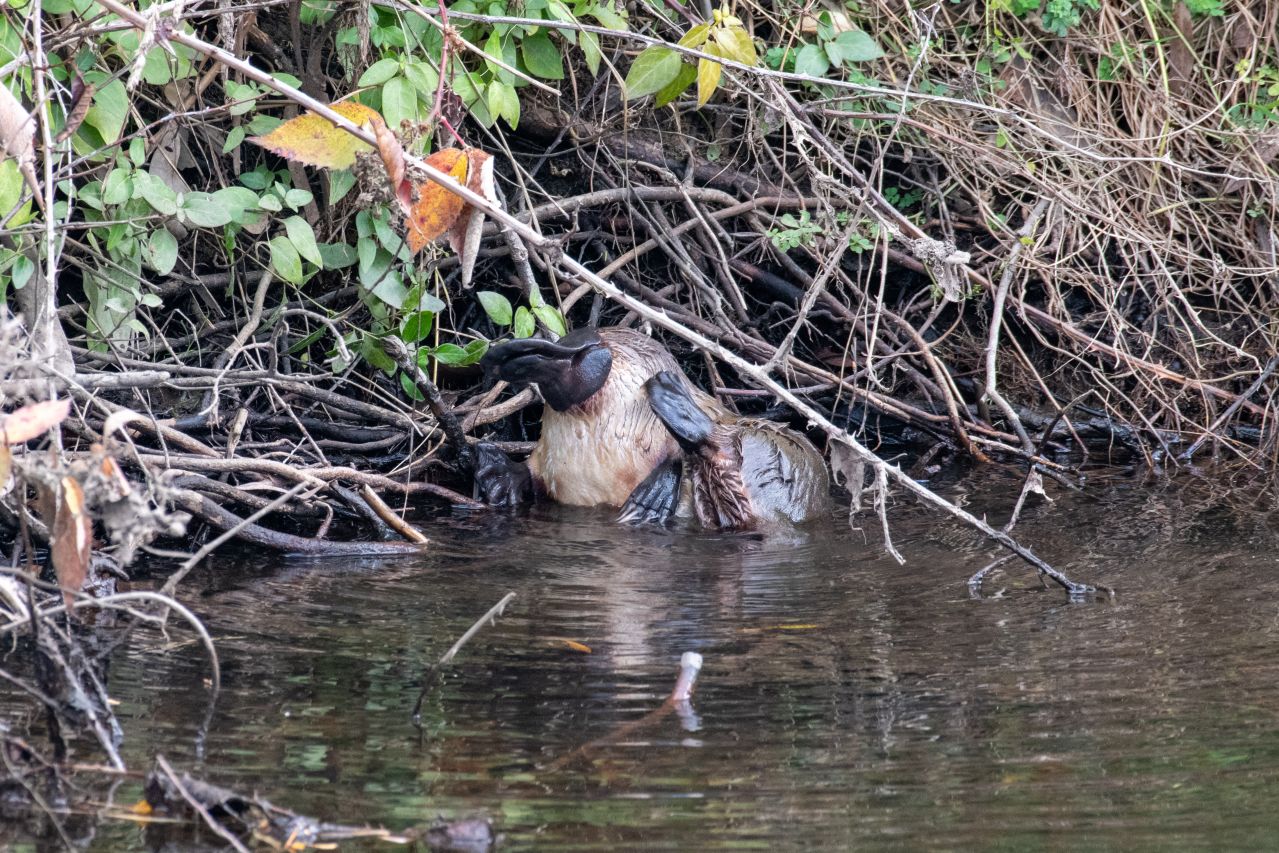
The river systems here are teeming with life. Echidna Walkabout Nature Tours are experts in the area, particularly on their 4 day East Gippsland Wildlife Journey.
4. Southern Highlands, New South Wales
Just south of Sydney, the Southern Highlands is a hidden gem for platypus. Sydney Bespoke Tours runs a dedicated Sydney Wildlife Safari that knows exactly where to look.
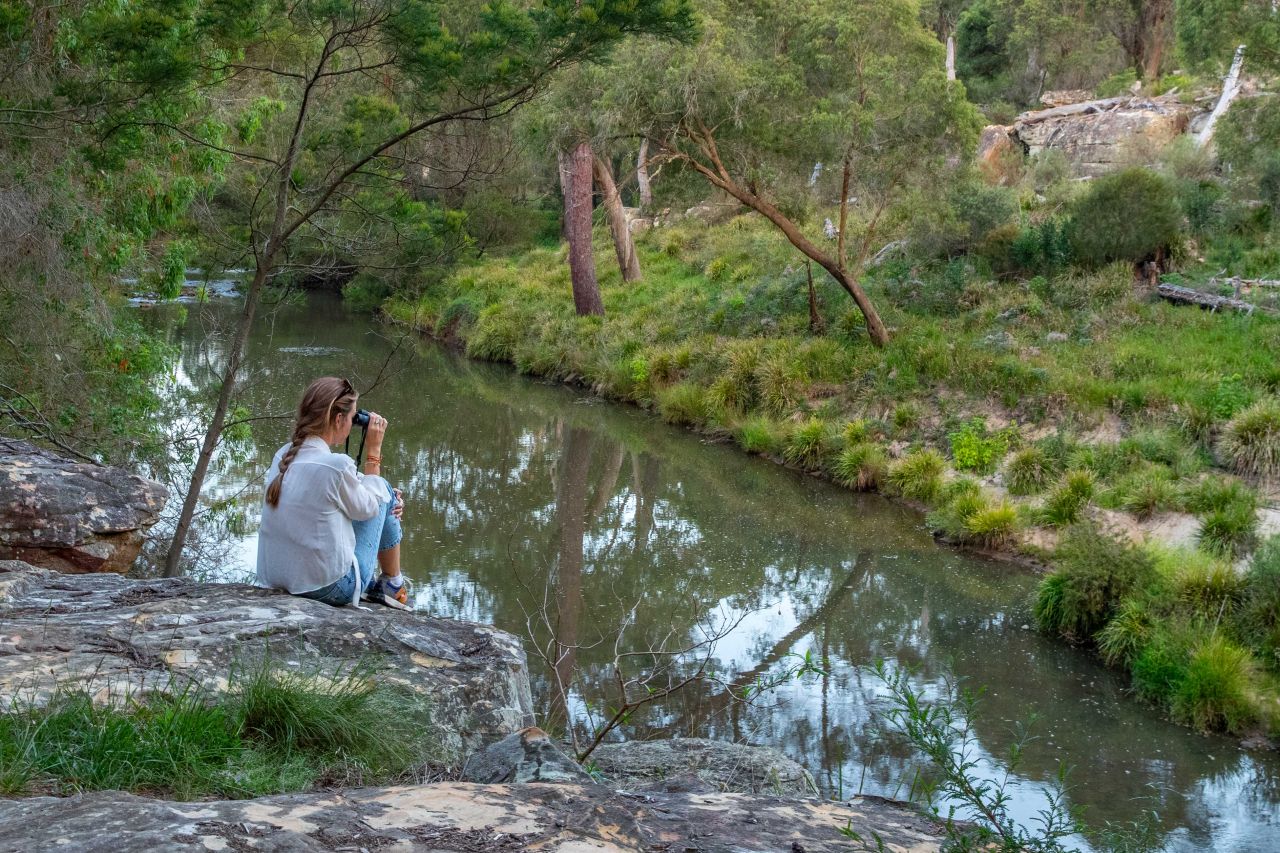
For a detailed breakdown of these locations, you can read our guide on the Best Places to See Platypuses in the Wild. But remember: patience, silence, and watching the bubbles are your keys to success.